
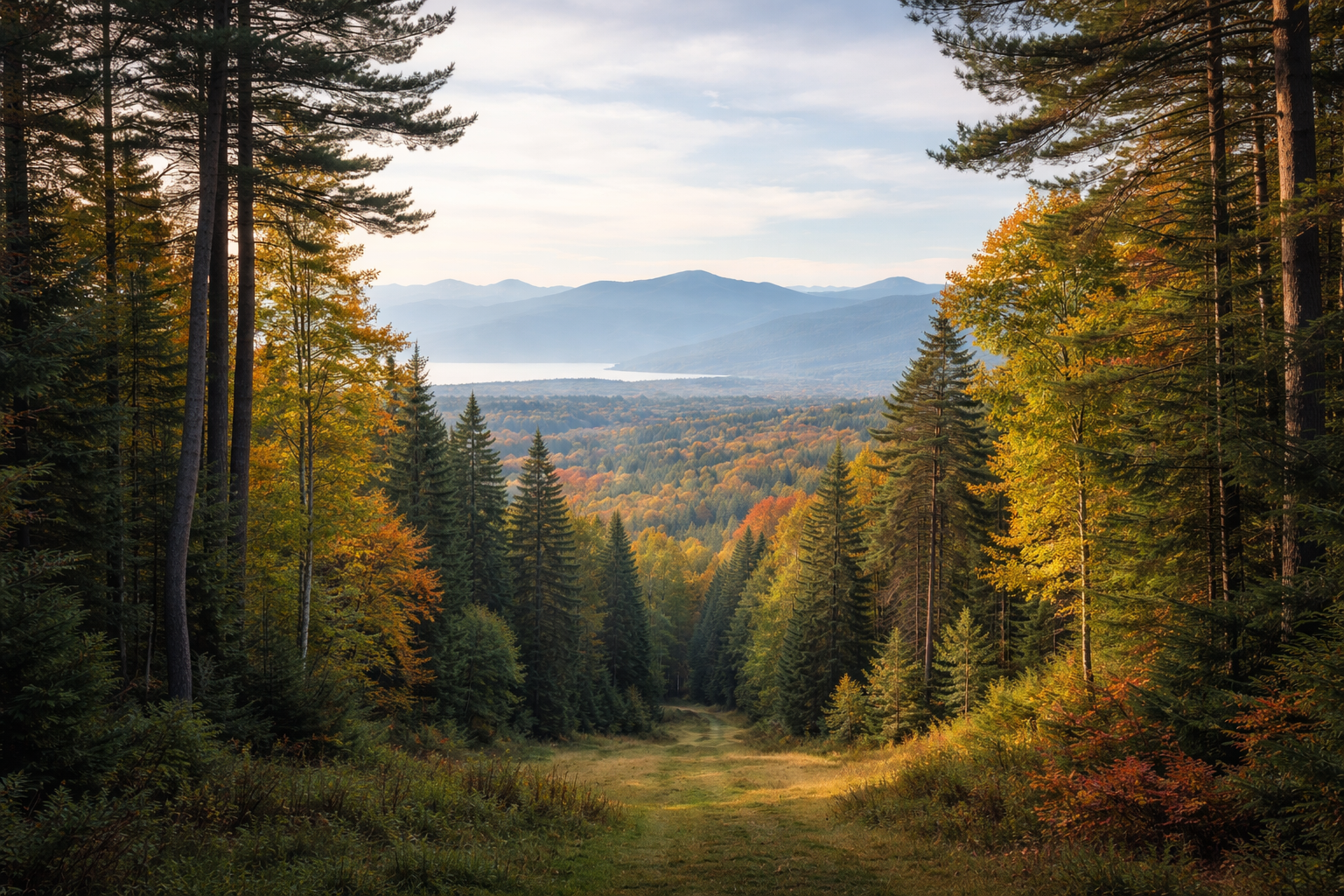
Residential Architecture Styles Guide for Northern Vermont Homes
A clear, factual overview of common residential home styles found in Northern Vermont, their architectural origins, defining characteristics, and the towns where they are most commonly seen.
BoldRoot Builders works throughout Burlington, South Burlington, Colchester, Essex, Williston, Shelburne, Charlotte, Hinesburg, Stowe, Waterbury, Montpelier, and surrounding Northern Vermont communities. This guide is intended to help homeowners understand the architectural language commonly found in the region.
Purpose of This Guide
This guide explains major residential architectural styles present in Northern Vermont and New England. Each section outlines where the style originated, the architects or movements associated with its development, and the Vermont towns where examples are most commonly found.
Most Vermont homes are not pure examples of a single architectural style. Over generations, homes have been expanded, renovated, adapted to changing needs, and influenced by multiple design traditions. As a result, many houses blend elements from several architectural styles rather than fitting neatly into one category. This guide highlights the primary characteristics associated with each style while recognizing that most Vermont homes are unique combinations and regional adaptations shaped by local materials, craftsmanship, climate, and history.
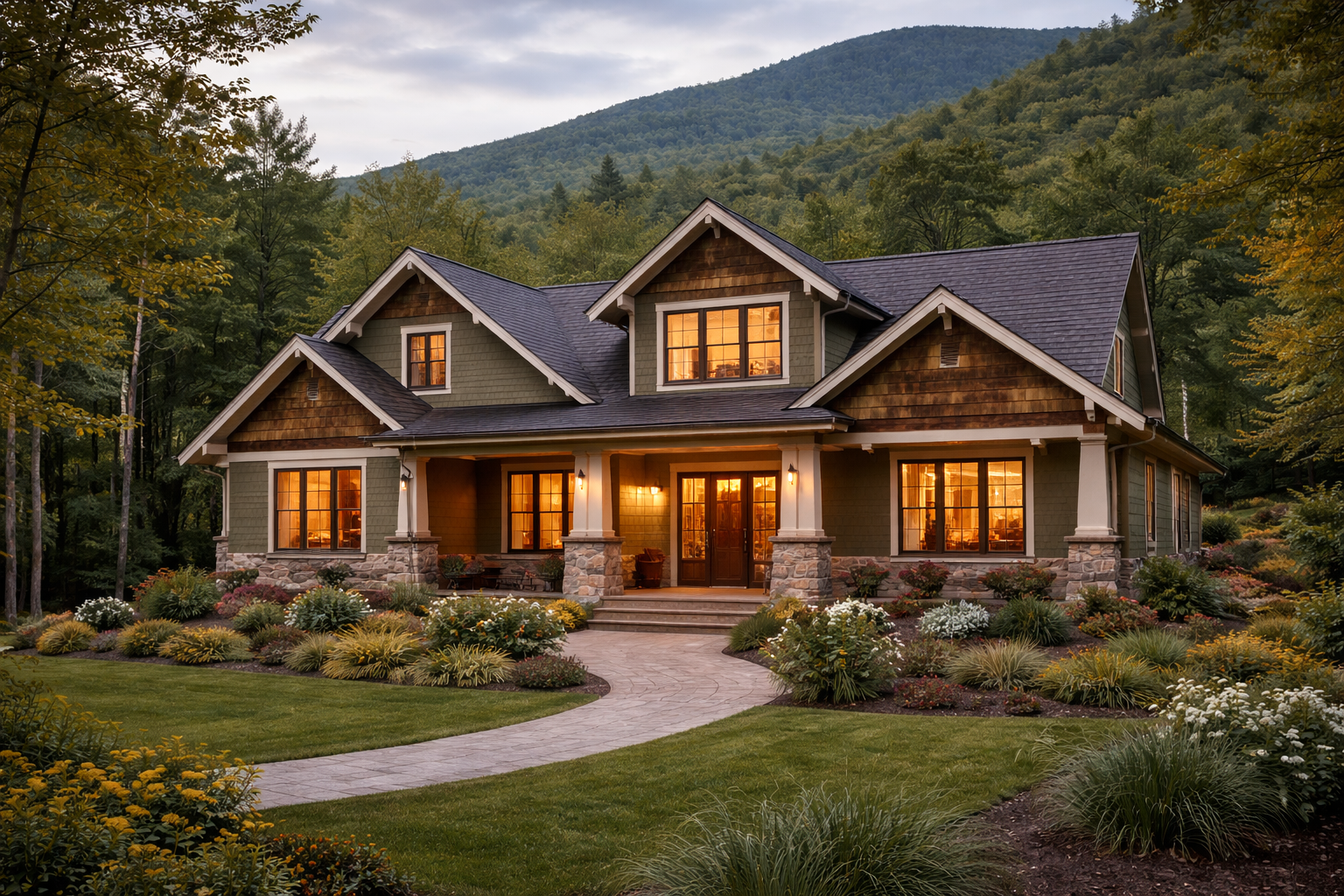
Craftsman
Origin: Late 19th to early 20th century (circa 1900–1930), United States. Developed from the Arts and Crafts movement.
Architect Commonly Credited: Gustav Stickley, through The Craftsman magazine, popularized the style nationwide.
Key Characteristics:
Low-pitched gable roofs
Exposed rafters and wide eaves
Covered front porches
Tapered columns
Natural materials
Common in Northern Vermont: Burlington, Winooski, Barre, Rutland
Colonial
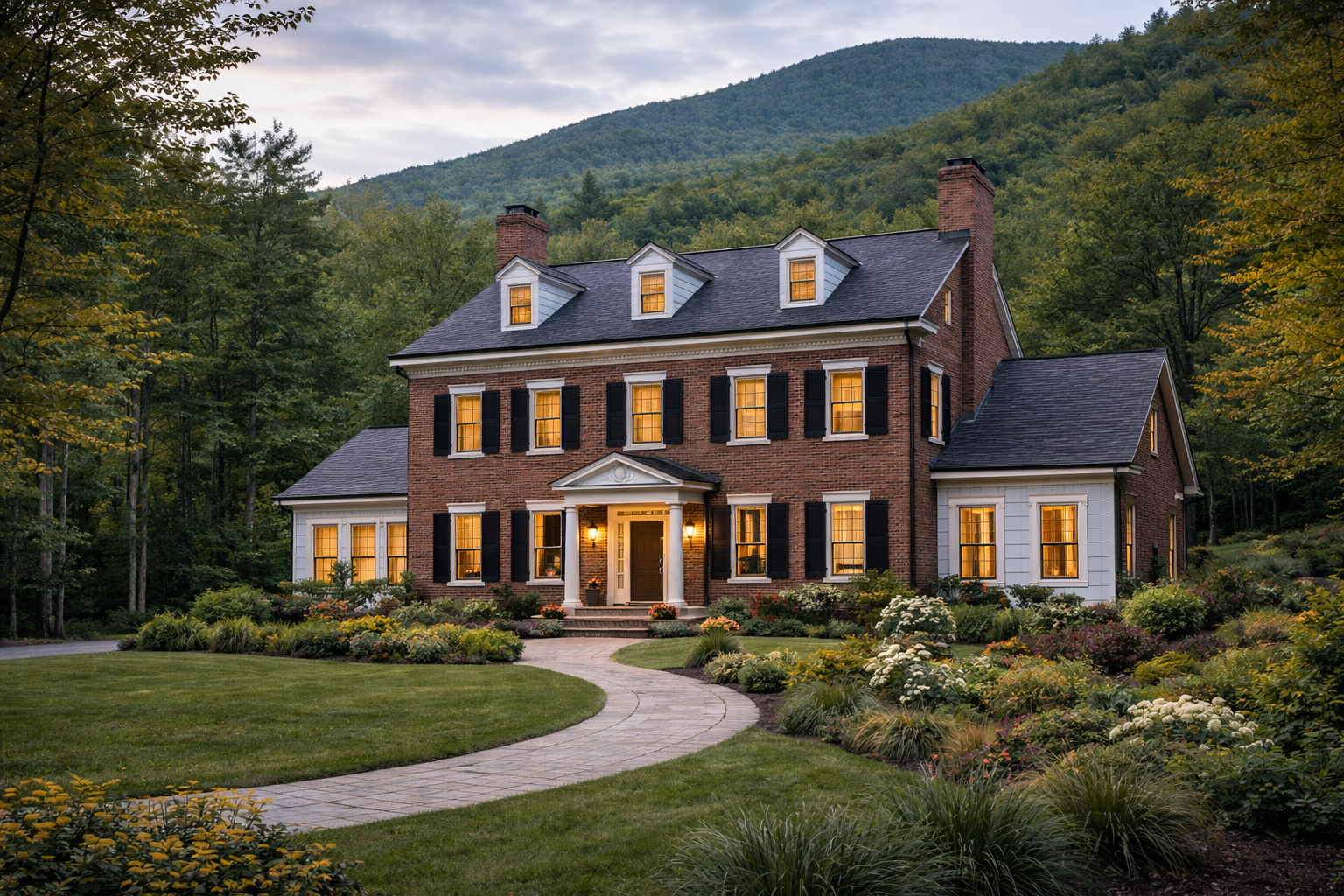
Origin: 17th–18th century American colonies, based on European domestic architecture.
Architect Credited: Vernacular tradition; no single architect.
Key Characteristics:
Symmetrical façades
Central entry
Evenly spaced windows
Rectangular footprint
Common in Northern Vermont: Shelburne, Charlotte, Essex, Middlebury
Cape Cod
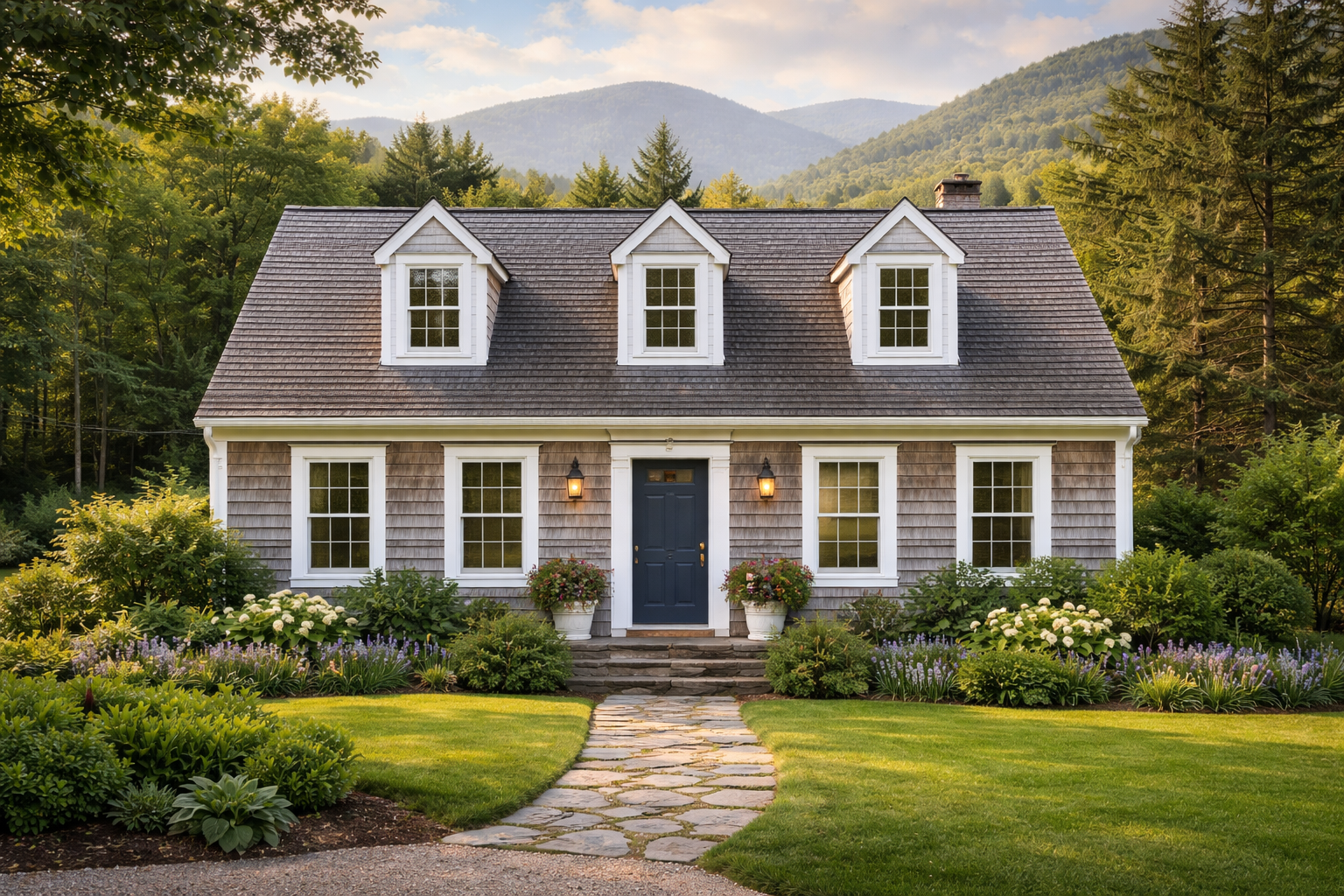
Origin: 17th century New England coastal settlements.
Architect Credited: Vernacular; evolved regionally.
Key Characteristics:
Steep gable roof
One to one-and-a-half stories
Minimal ornamentation
Common in Northern Vermont: Colchester, Milton, St. Albans, Fairfax
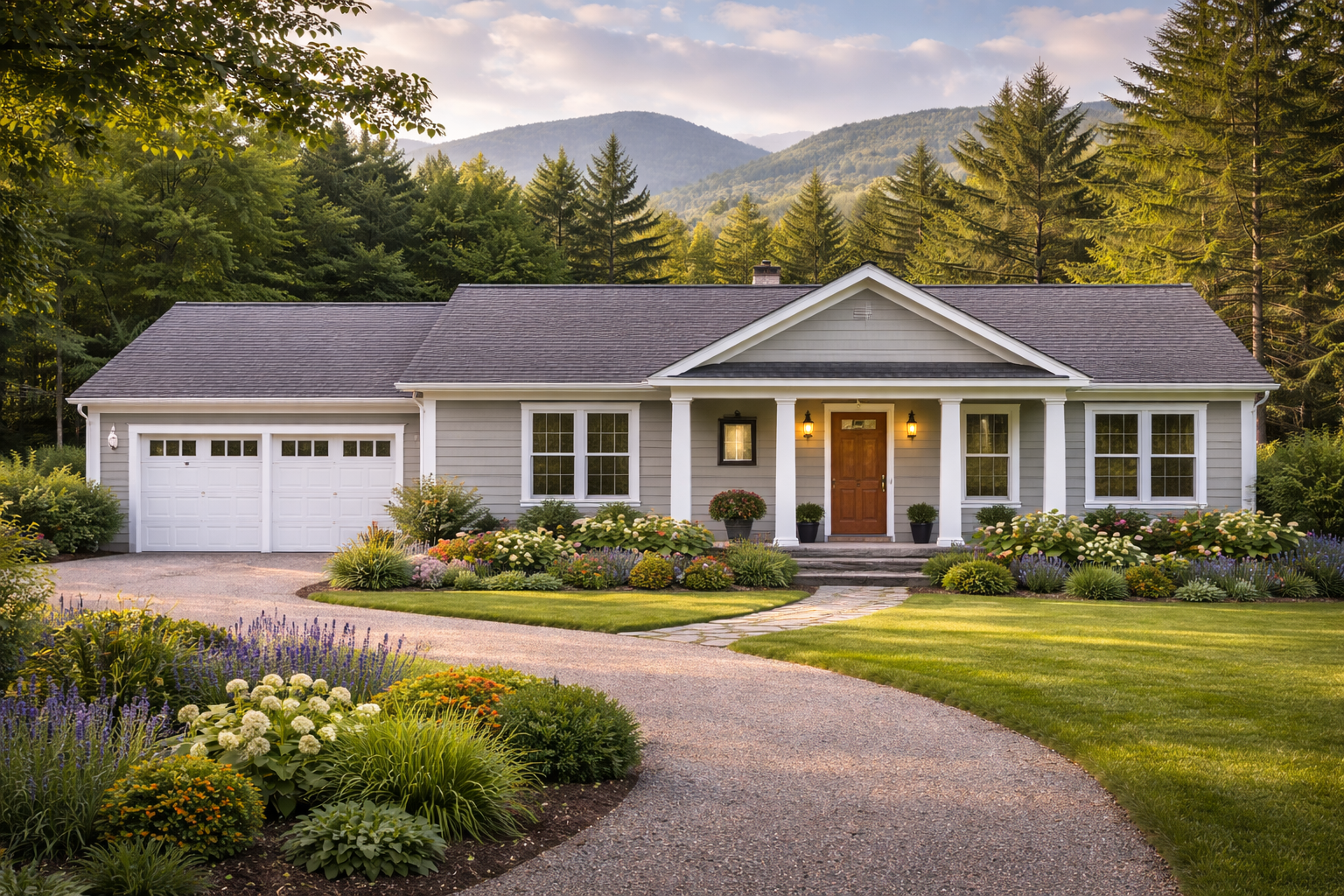
Ranch
Origin: Mid-20th century United States (1940s–1970s).
Architect Commonly Credited: Cliff May
Key Characteristics:
Single-story layouts
Long, low rooflines
Open interior plans
Attached garages
Common in Northern Vermont: Essex Junction, South Burlington, Williston
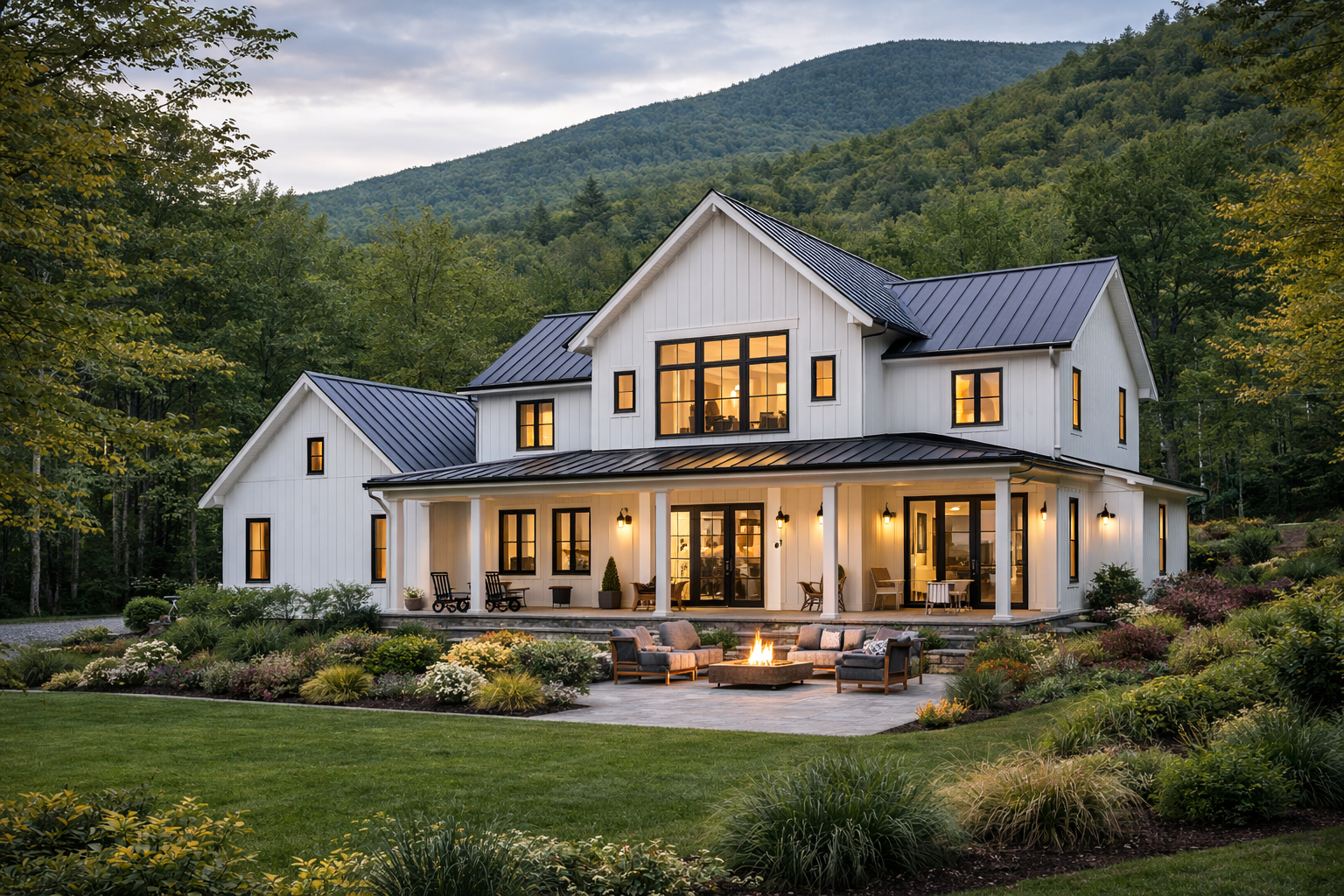
Farmhouse
Origin: 18th–19th century rural North America.
Architect Credited: Vernacular; shaped by agricultural use.
Key Characteristics:
Simple massing
Gable roofs
Covered porches
Vertical proportions
Common in Northern Vermont: Charlotte, Hinesburg, Richmond, Jericho
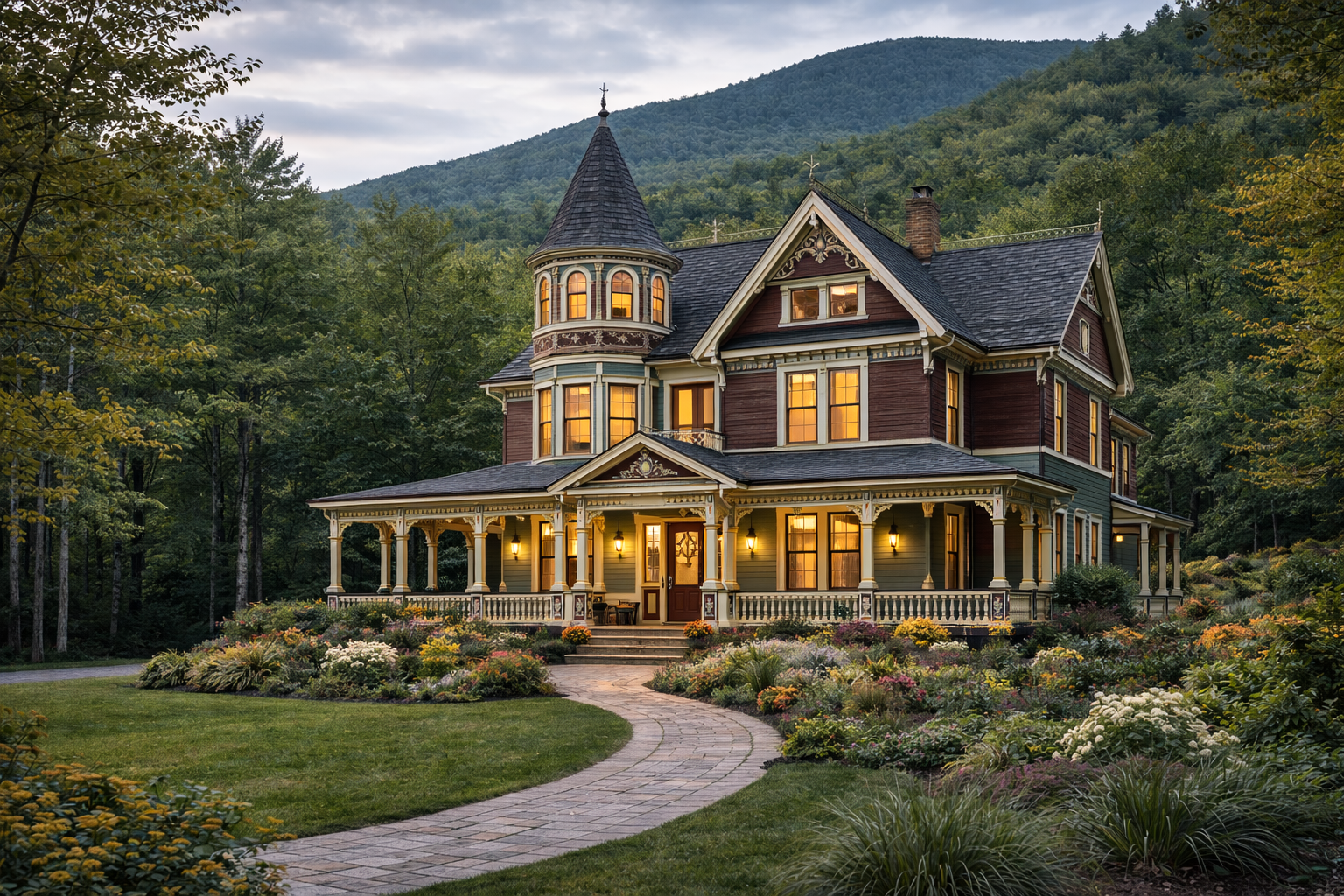
Victorian
Origin: Mid to late 19th century (1830–1900).
Architects Credited: Pattern-book tradition; no single architect.
Key Characteristics:
Complex rooflines
Decorative trim
Asymmetry
Bay windows
Common in Northern Vermont: Burlington, Montpelier, Barre, St. Johnsbury
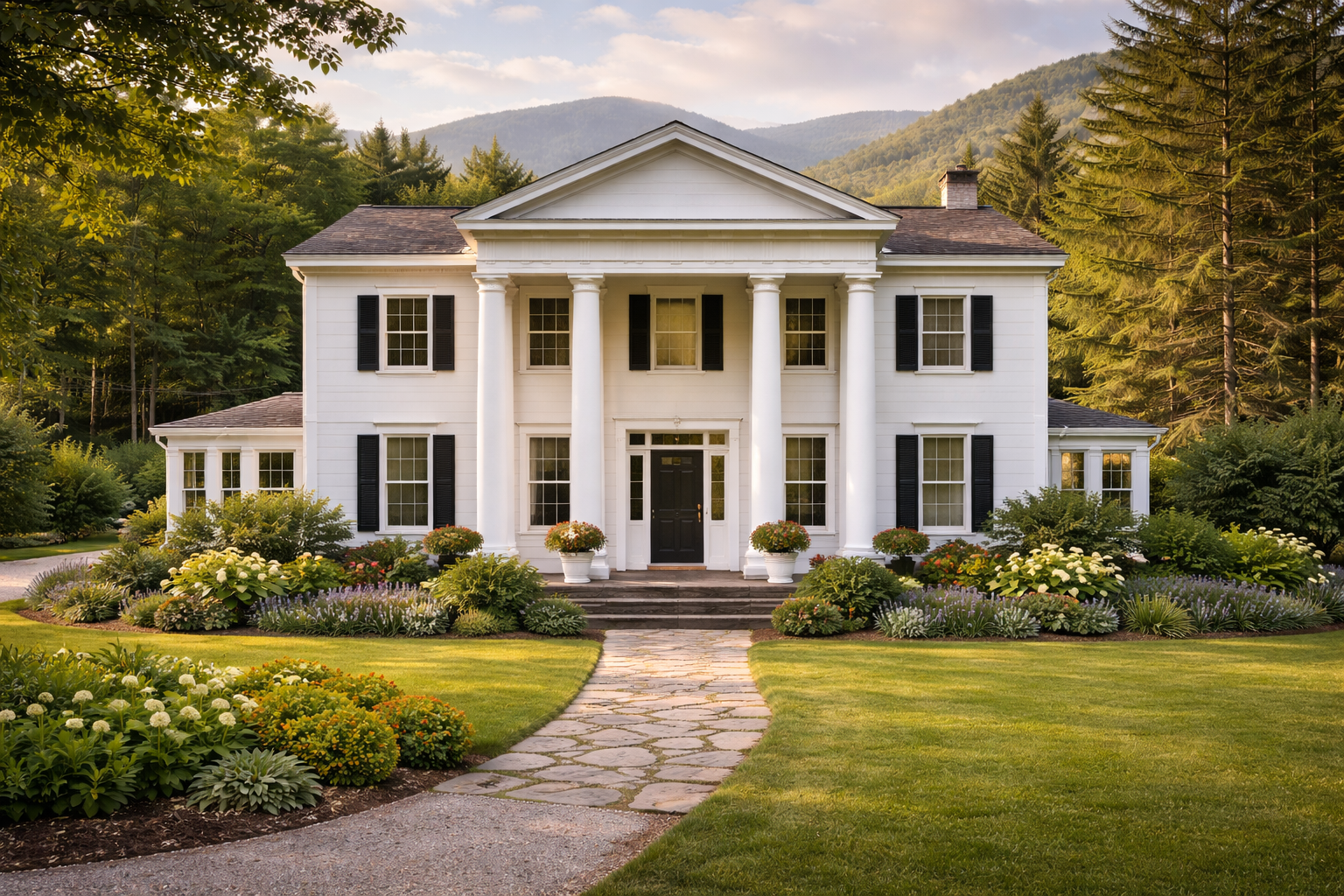
Greek Revival
Origin: Early to mid-19th century (1825–1860).
Architect Commonly Credited: Benjamin Henry Latrobe
Key Characteristics:
Symmetrical façades
Pedimented gables
Columns or pilasters
Common in Northern Vermont: Middlebury, Vergennes, Montpelier, Windsor
Local Notes: Greek Revival homes are prominent along historic main streets and village greens.
Federal
Origin: Late 18th to early 19th century (1780–1830).
Architect Commonly Credited: Charles Bulfinch
Key Characteristics:
Balanced proportions
Fanlight windows
Refined decorative details
Common in Northern Vermont: Burlington, Woodstock, Bennington, Montpelier
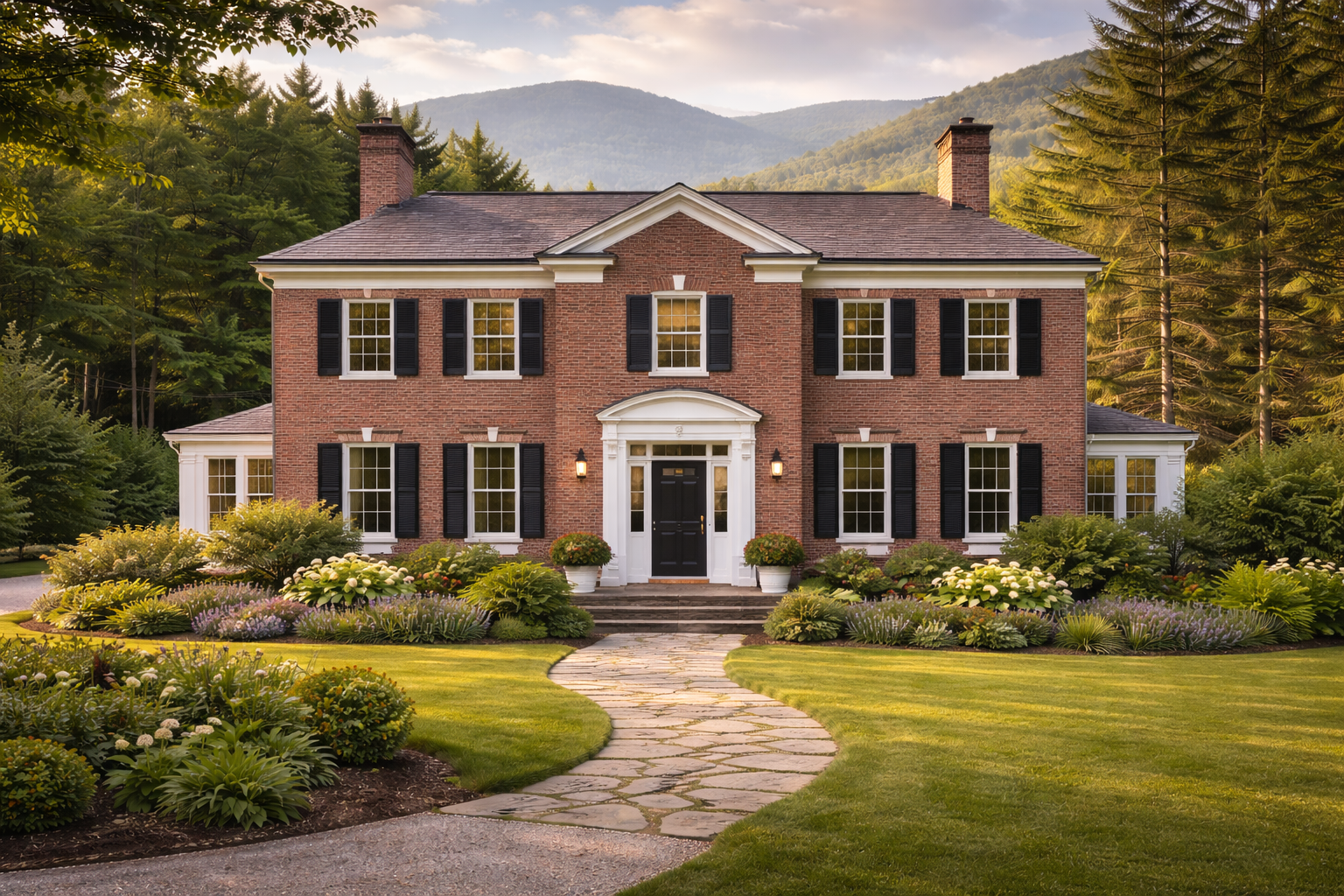
Shingle Style
Origin: Late 19th century coastal New England.
Architects Commonly Credited: McKim, Mead & White; H. H. Richardson
Key Characteristics:
Continuous wood shingles
Asymmetrical massing
Minimal ornamentation
Common in Northern Vermont: Shelburne, Charlotte, Stowe, Lake Champlain shoreline areas
Local Notes: Shingle-style homes are often found in estate or lakefront settings.
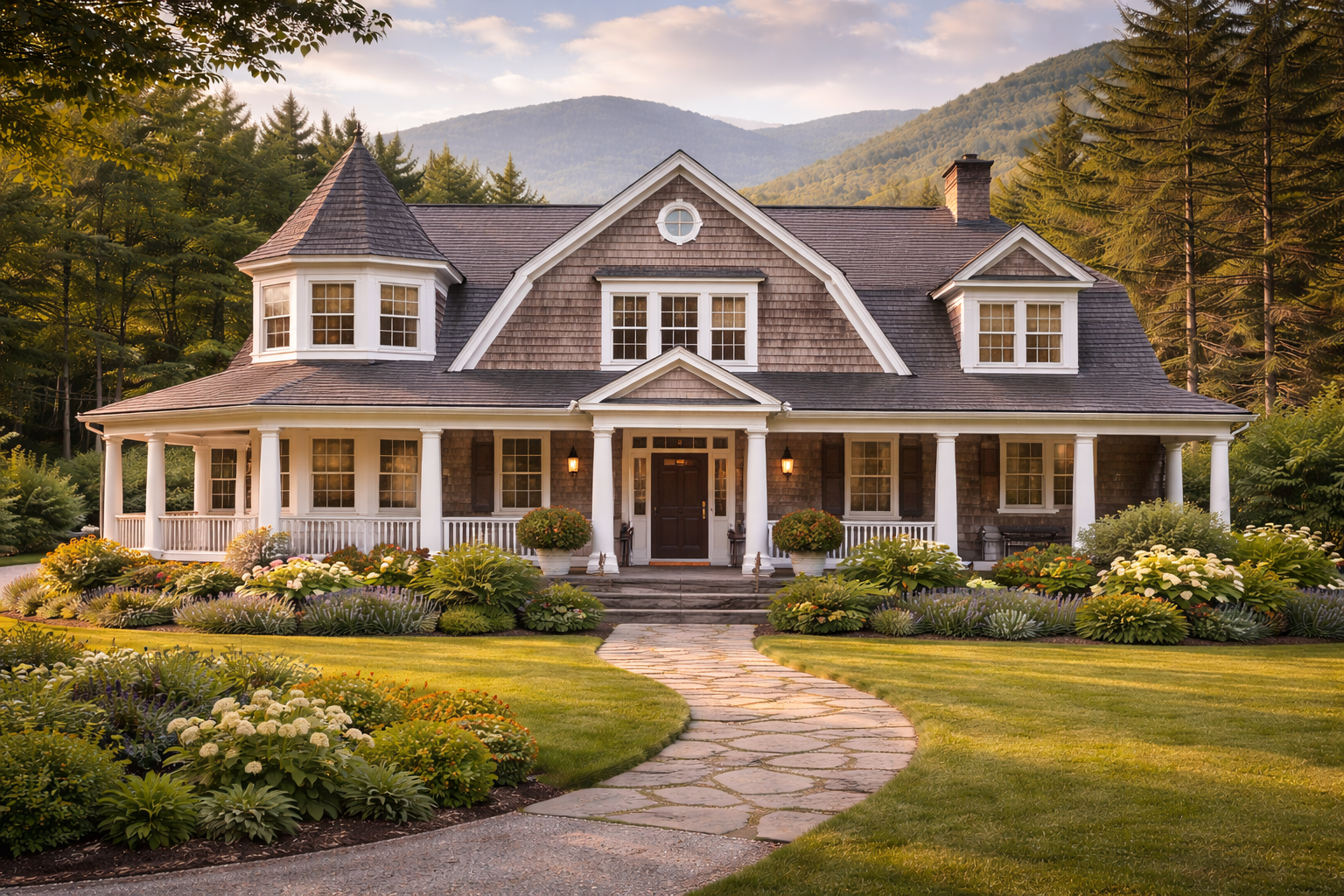
Scandinavian / Nordic
Origin: Early to mid-20th century Northern Europe.
Architect Commonly Credited: Alvar Aalto
Key Characteristics:
Simple forms
Emphasis on daylight
Natural materials
Common in Northern Vermont: Stowe, Waterbury, Waitsfield, Richmond
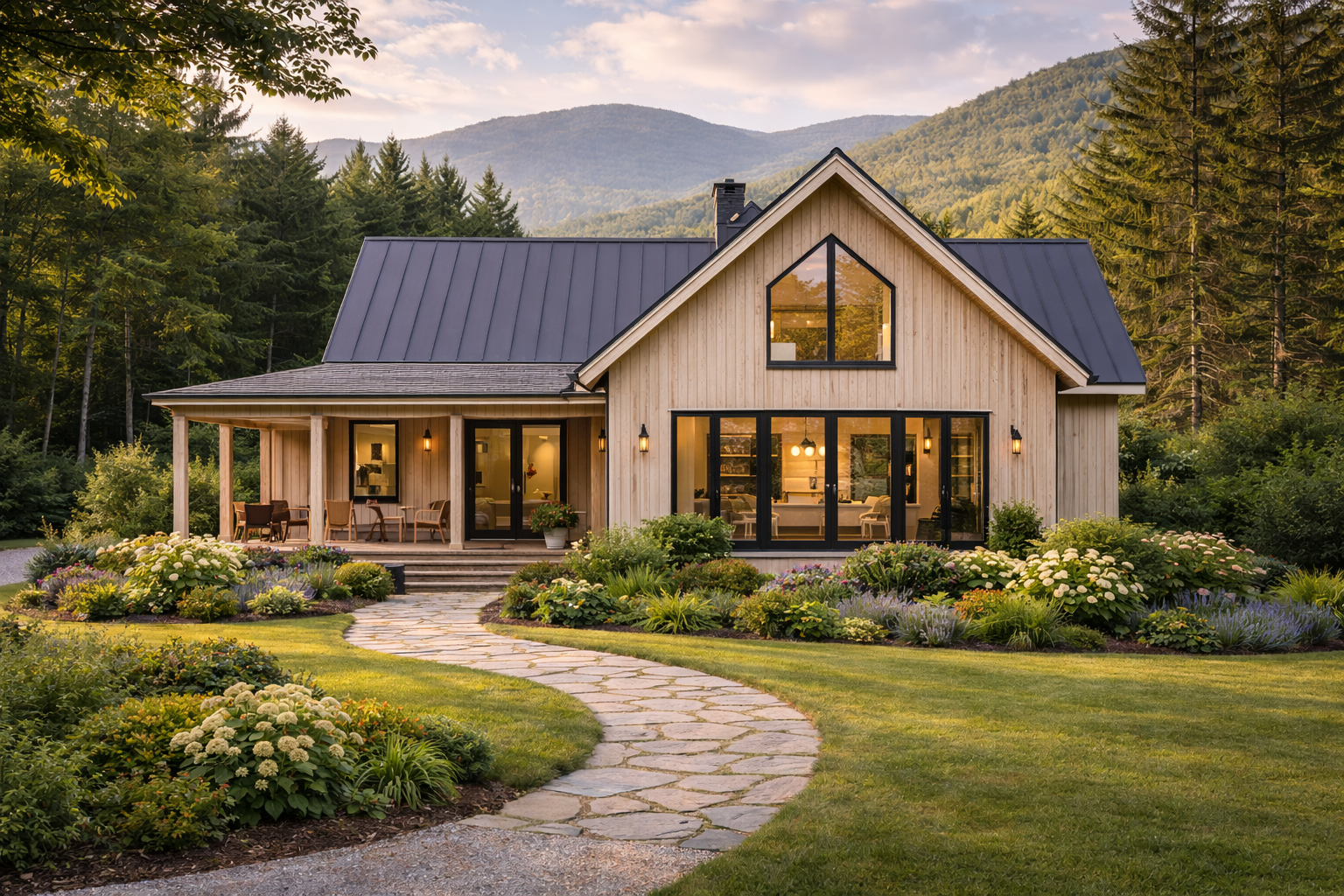
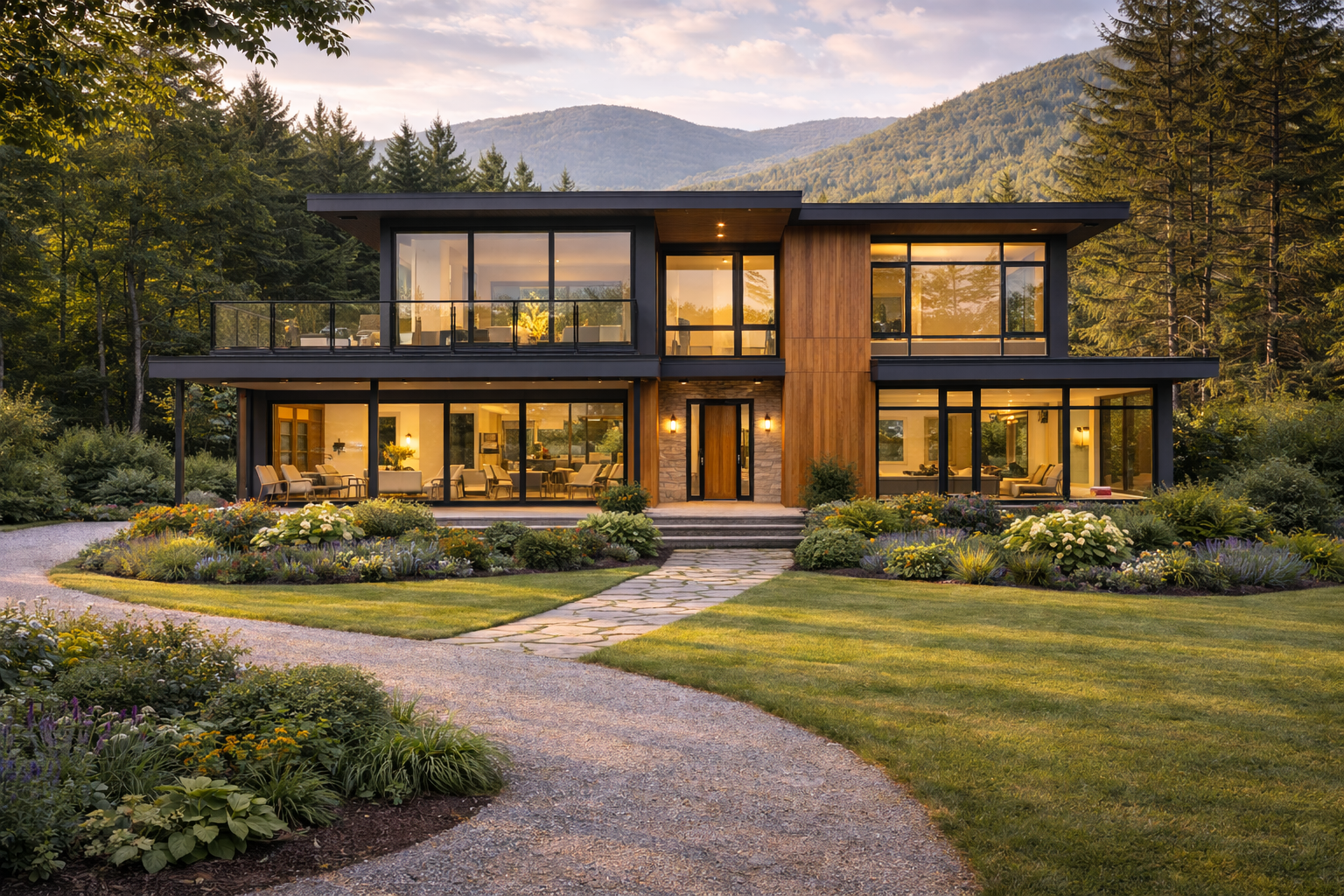
Modern (Mid-Century)
Origin: Mid-20th century modernist movement.
Architects Commonly Credited: Frank Lloyd Wright,
Richard Neutra, Joseph Eichler
Key Characteristics:
Flat or low-slope roofs
Large expanses of glass
Open plans
Common in Northern Vermont: South Burlington, Shelburne, Burlington hillsides
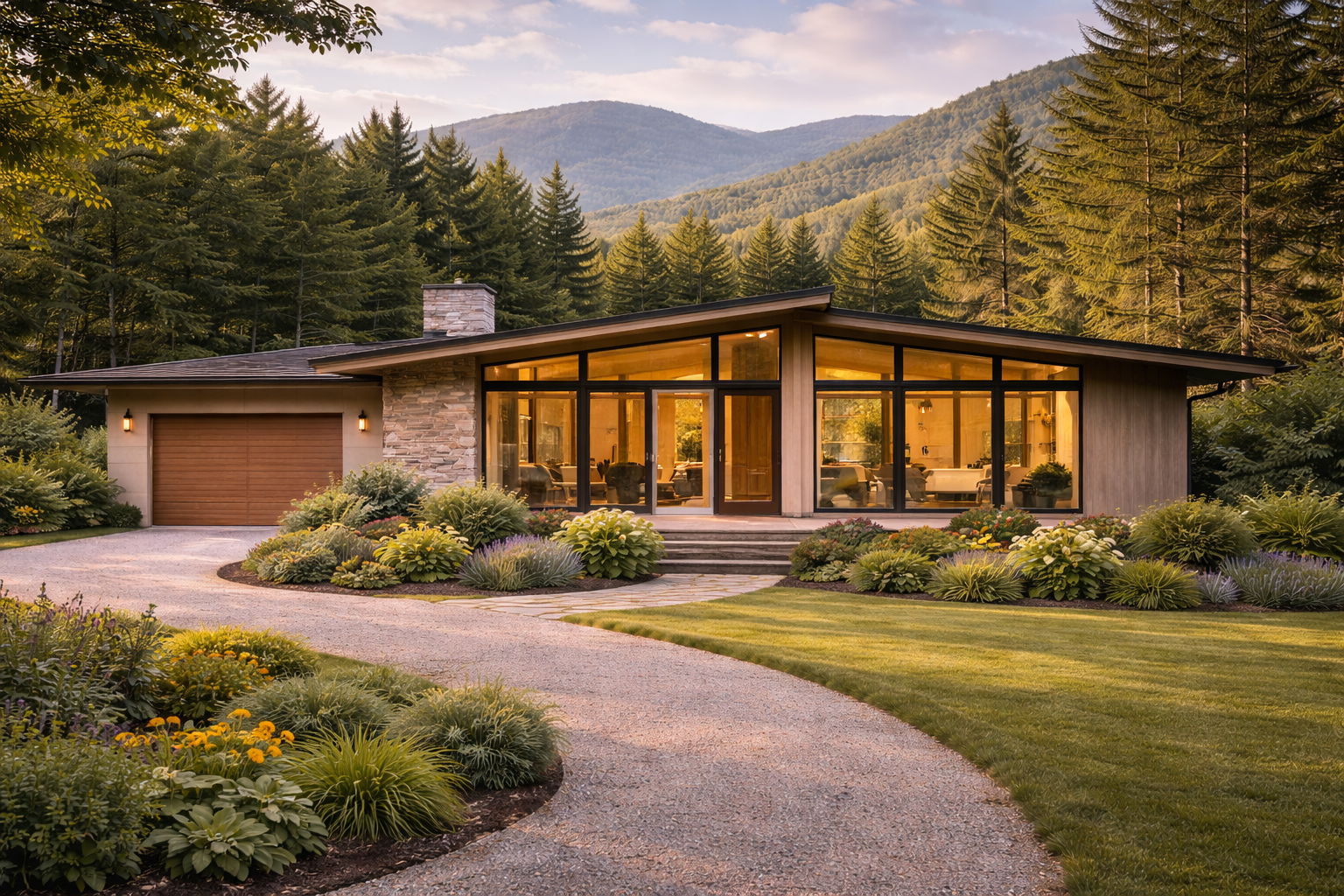
Contemporary
Origin: Late 20th century to present.
Architect Credited: Evolving style; no single architect.
Key Characteristics:
Mixed materials
Varied roof forms
Large windows
Common in Northern Vermont: Williston, Jericho, Stowe, rural custom home sites
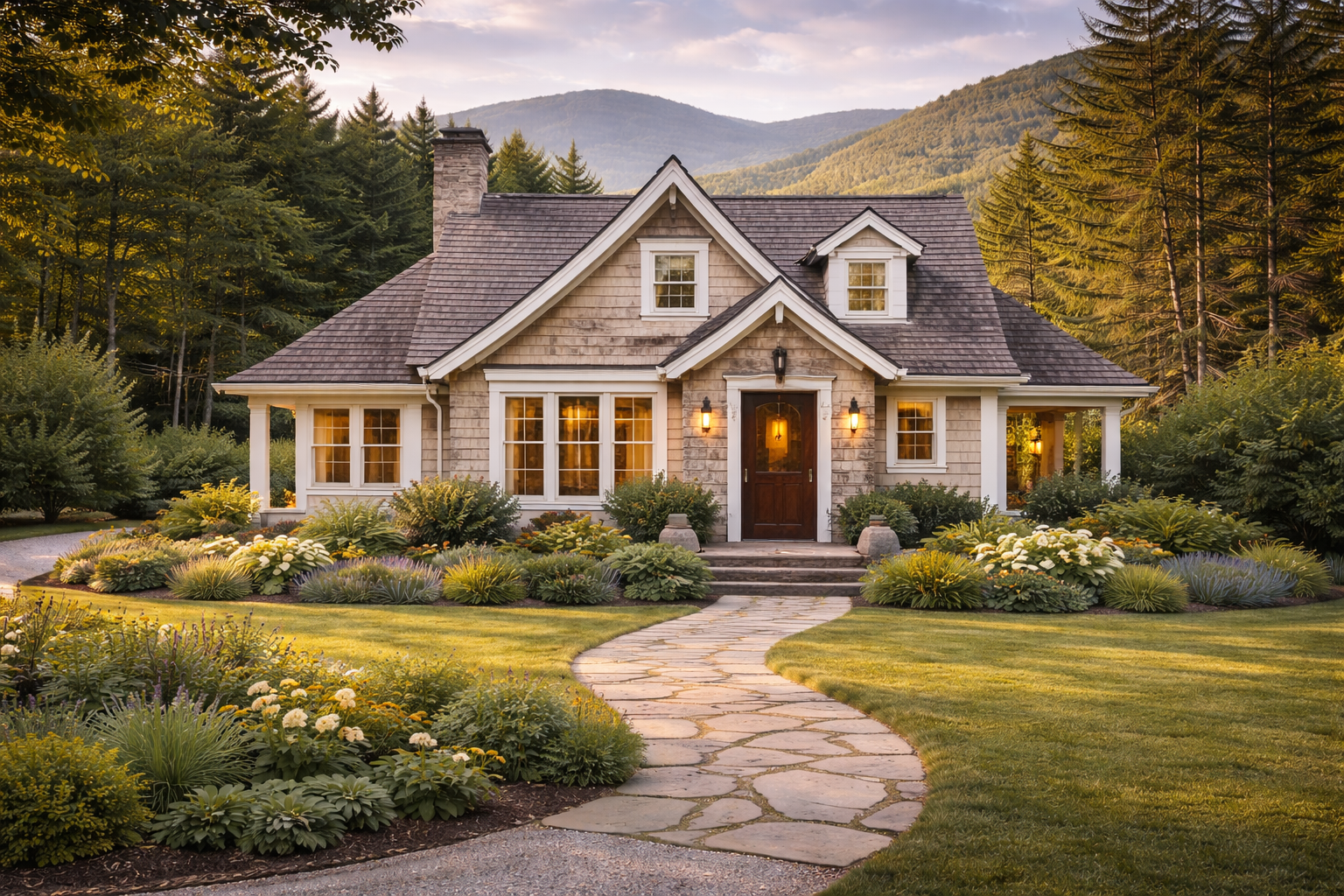
Cottage
Origin: Medieval Europe; adapted in North America.
Architect Credited: Vernacular tradition.
Key Characteristics:
Small scale
Steep roofs
Informal layouts
Common in Northern Vermont: Lake Champlain communities, village edges, seasonal properties
Using This Guide
Architectural styles provide a shared vocabulary for discussing homes in Northern Vermont. Many existing houses blend styles due to additions, renovations, and changing needs.
This guide is intended to help homeowners better understand regional context, communicate preferences clearly, and make informed decisions when planning a new build, addition, or renovation in Burlington, Northern Vermont, and surrounding communities.
Help Us Improve This Guide
We want this guide to be as accurate and useful as possible for homeowners in Northern Vermont. If you notice:
A home style we missed
Details that seem incorrect
Additional insights about local variations
Please let us know. Your feedback helps us keep this guide current and helpful for everyone planning a renovation, addition, or new build.